
Why Small-Town Development Looks Different — and Why That’s a Good Thing
By Cassie Yoder, Director of Marketing & Development, Green Mill Village
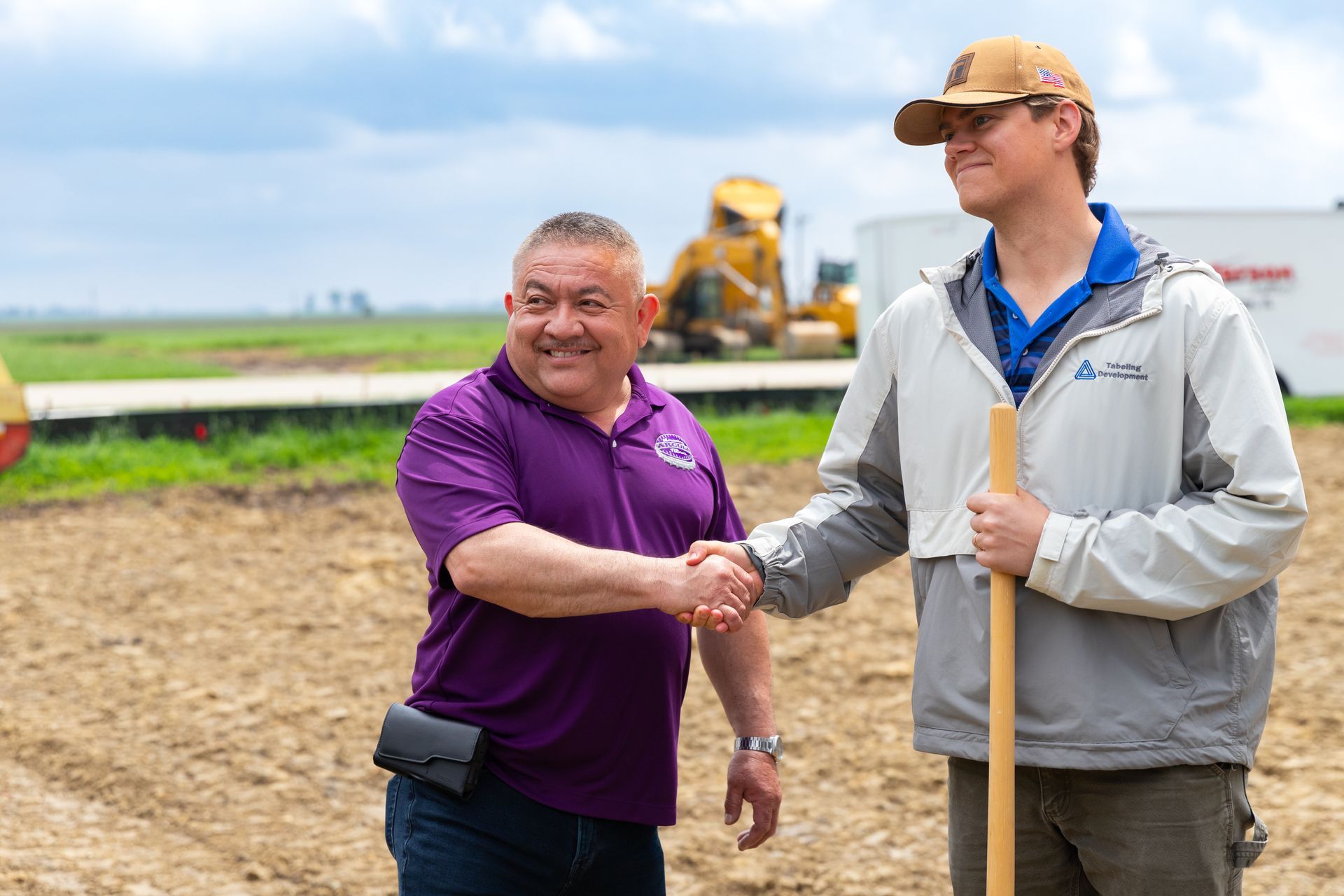
When people hear the word “development,” they often picture large subdivisions, crowded commercial districts, high-rise buildings, and rapid expansion. But in a small community like Arcola, development can—and should—look different.
Growth does not have to mean becoming something completely new. In fact, some of the most meaningful development happens when a community creates new opportunities while holding onto the character, connections, and quality of life that made people care about the community in the first place.
Growth With a Purpose
Small-town development is often more intentional because every project has the potential to make a noticeable impact.
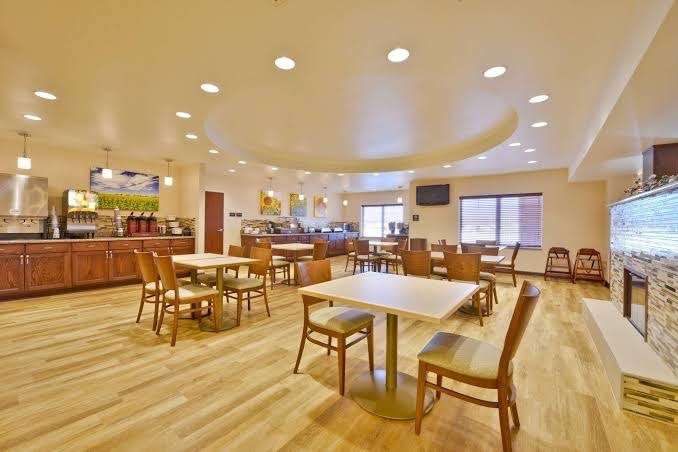
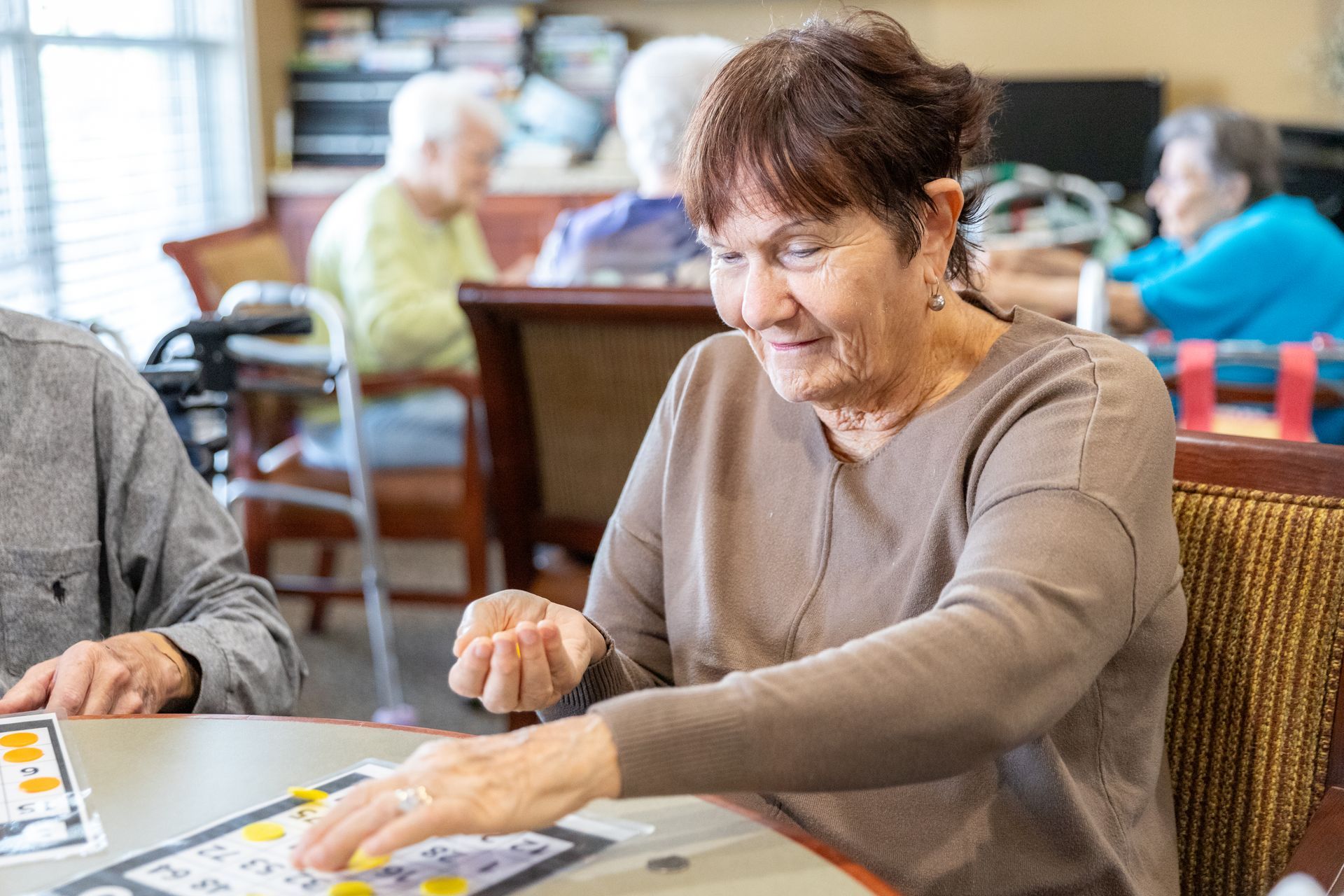
A new housing option can help a family stay in the community. A new business can create jobs while giving residents another reason to shop locally. A hotel can welcome visitors who then discover downtown businesses, local attractions, restaurants, and events. Senior living can give longtime residents an opportunity to remain close to the people and places they know.
The value of development is not always measured by how large a project is. Sometimes, it is measured by how well that project fits the needs of the community around it.
Preserving What Makes a Community Special
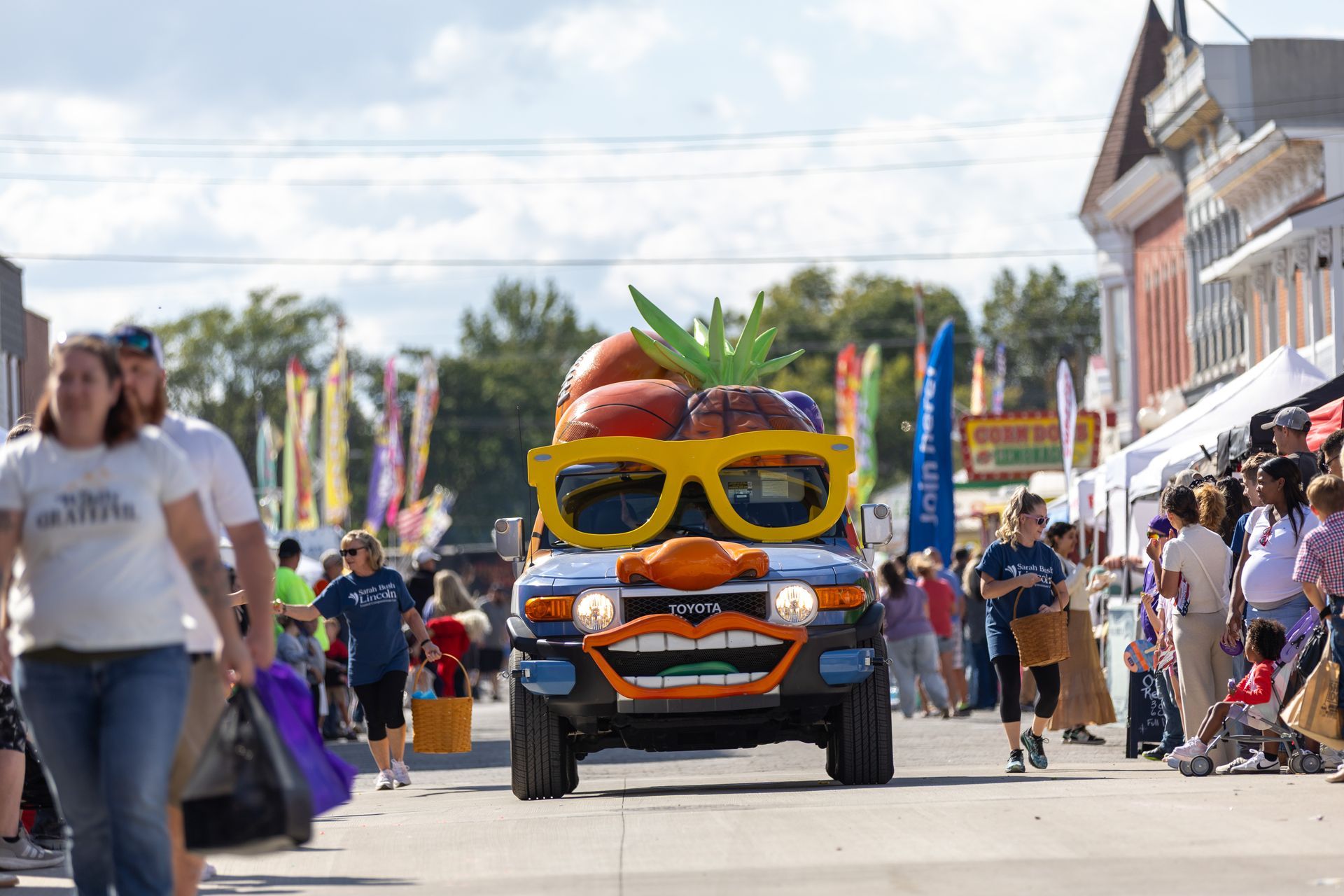
One of the advantages of thoughtful small-town development is the opportunity to grow without losing identity. Arcola already has a story. It has generations of history, local traditions, small businesses, agricultural roots, Amish heritage, major community events, and the kind of familiarity that is difficult to recreate in a larger city.
Good development should complement those strengths rather than compete with them. That means thinking carefully about what the community needs today, what it may need tomorrow, and how new projects can become part of the existing community instead of feeling disconnected from it.
Creating More Reasons to Stay
Economic development is often discussed in terms of attracting new people and businesses, but there is another important part of the conversation: giving people more reasons to stay. Housing, employment opportunities, amenities, hospitality, senior living, recreation, and access to services all play a role in whether someone can picture building a future in a community.
For smaller communities, adding those options can make a significant difference. Development can help a young family find the right home. It can provide opportunities for someone who wants to return to their hometown. It can help businesses recruit employees. It can support older adults who want to remain near family. And it can create new reasons for visitors to spend more time in the area.
Small-Town Growth Has a Ripple Effect
In a community the size of Arcola, one project rarely impacts only one property. New development can create opportunities for local contractors, suppliers, restaurants, retailers, service providers, employers, and community organizations.
More visitors can mean more customers for local businesses. More housing can support workforce growth. More businesses can strengthen the local tax base. More amenities can improve quality of life for residents. Those connections are one of the reasons small-town development can be so powerful. Growth becomes part of a larger ecosystem rather than an isolated project.
Building on What Is Already Here
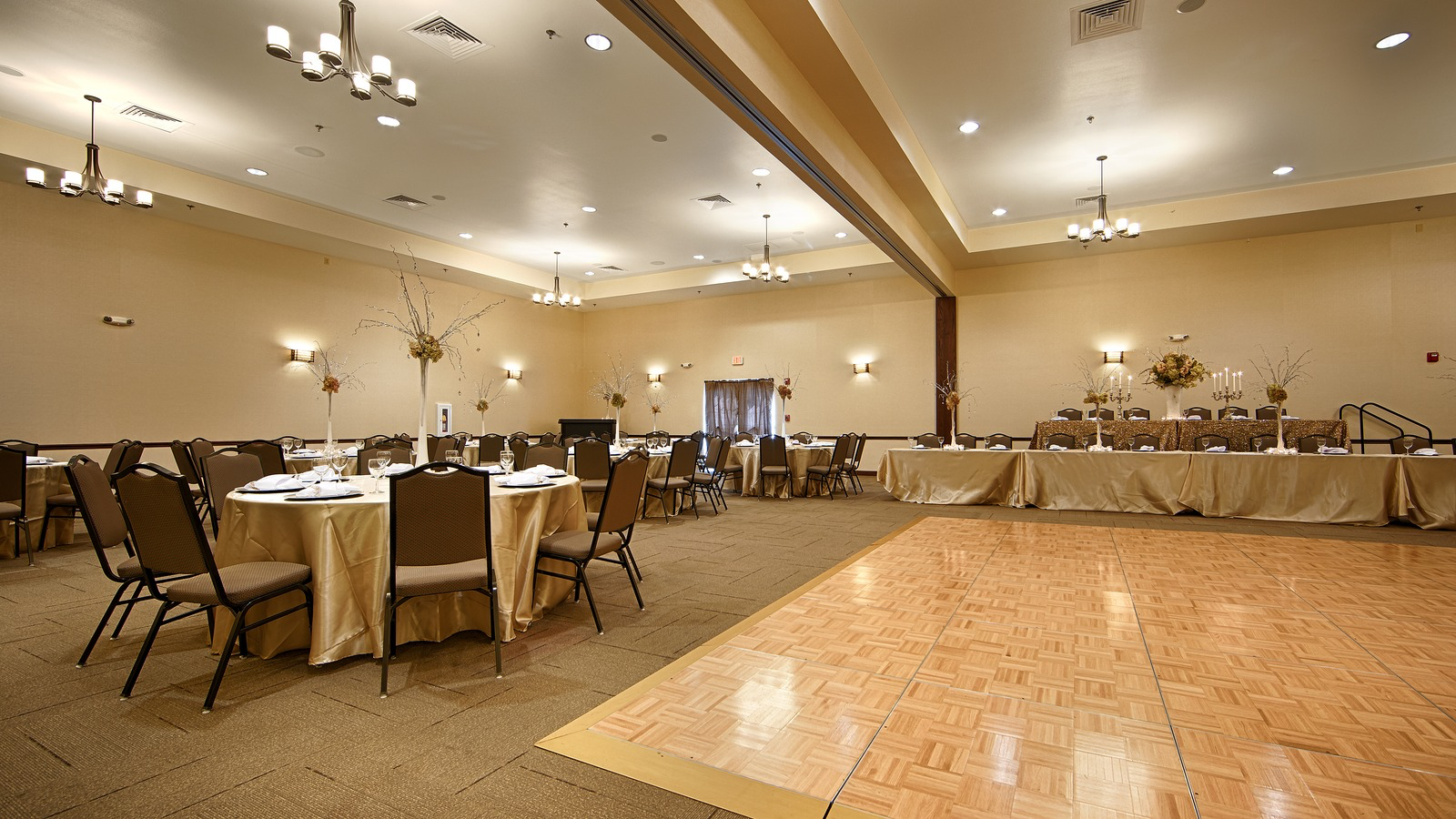
Green Mill Village represents one piece of that larger vision. With hospitality, senior living, residential development, available space, and additional opportunities for future growth, Green Mill Village is not about turning Arcola into a big city. It is about building on what Arcola already does well.
It is about creating more opportunities for people to live here, visit here, invest here, and stay connected to the community. Because the goal of thoughtful development is not simply to make a community bigger. It is to make an already special community even stronger.